Hi! Welcome to another amazing blog post. I know it has been a while but I am ready to liven your spirits with some great education! Today I thought we could focus on infection, and infection control. As nail techs in this industry it is of vital importance that we know how to recognize different types of ways to infect, and how can we also disinfect to prevent infection as best as we can for the health of ourselves and our clients. But don’t worry, I will try my best to make this fun.

In order to begin, we must recognize what causes infections. Infections can happen when disease-carrying pathogens enter the body and multiply. Pathogens are more commonly known as bacteria, not like the yummy kind in yogurts, but the kind that when someone sneezes you think, “ok two more times and I’m blaming covid, Mary!”. Those are the bad bacteria, AKA germs.
Now something you may not have remembered is that there are two types of infections, local and general. A local infection is in a small area such as a pimple, while a general would be more wide spread such as a common cold. So when you think of local, think I have an infection just right here, and when you think of general, say to yourself, “oh my whole body is affected.” So when you watch the next Puff’s commercial and little Timmy has a runny nose, now you can understand, the poor guy has a general infection.
Now that we can recognize infections, let’s talk about the 5 different kinds of pathogens, or germs, that can infect us. Grab you popcorn! Here we have bacteria, viruses, parasites, fungi, and biofilms.
Bacterial infections enter the body through breaks in the skin, or through the bodies openings. Your body will try to fight these with antibodies, which is your immune system going to war on the bad little germs.
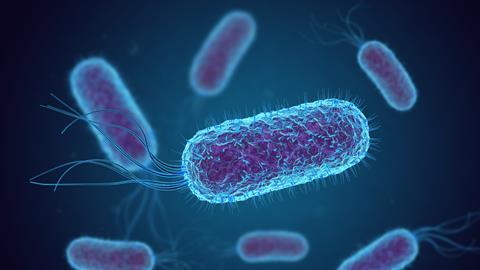
Viruses are similar but not too much. They exist as a particle which need a host to operate. Kind of like like when you want to run a program on your computer, the program is nothing on its own, but within the computer to function, it is now a functioning object as well. Viruses can be treated or prevented early on.

Parasites I think we all know too well. They are living organisms such as mites, ticks, lice, and so forth. They are capable of carrying disease and transferring them to humans. While treatable, it is always best to catch them as soon as possible to prevent an outbreak.

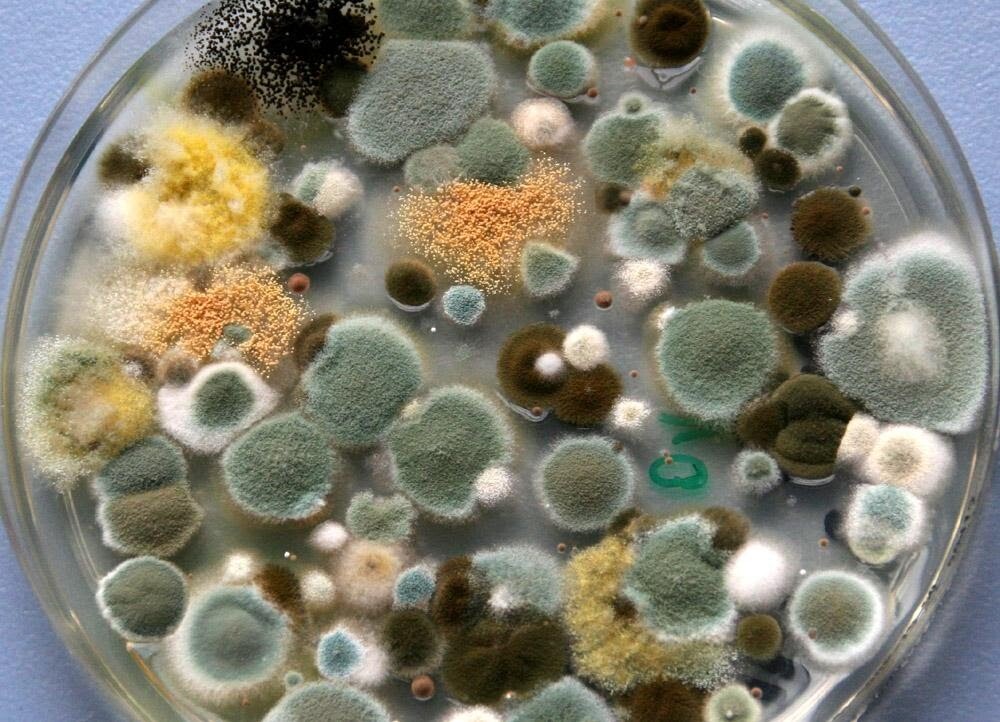
Fungi, are types of molds may produce diseases. Fungi thrive in warm dark environments, and can easily be spread through transmission of tools and fabrics. Be cautious with fungi as their bacteria can become airborne.
Biofilms are bacteria that create a film on surfaces where there is water. Have you ever touched something and it had a slippery surface such as a fish or rock in a pond? That is a biofilm on top. This is a large collection of bacteria that can be harmful.

So now that we fully know what to recognize in our salon, and we can understand the different types. Let’s talk about transmission. Transmission of these pathogens can be done through the air such as coughing or sneezing. Or they can be transmitted through unclean tools, dirty towels, or even dirty surfaces. Which is why disinfectant is so important. Using hospital grade disinfectants and solutions such as barbicide and proper sterilization techniques can immensely cut down on infections.
But disinfection alone, will not always provide a sure fire way, you need knowledge and awareness to keep pathogens controlled. Frequent hand washing, wiping down areas, wearing personal protection equipment, and following infection protocols can all work hand in hand to prevent infections.

I hope this article helps with your salons disinfection routine, and remembering how we all can get together to stop the spread of infections. While it might seem like a surface level problem (pun intended), preventing the spread of disease is a serious issue and one we should all not take lightly. Until then, I will see you all next time, and happy cleaning sweets!
Leave a Reply